
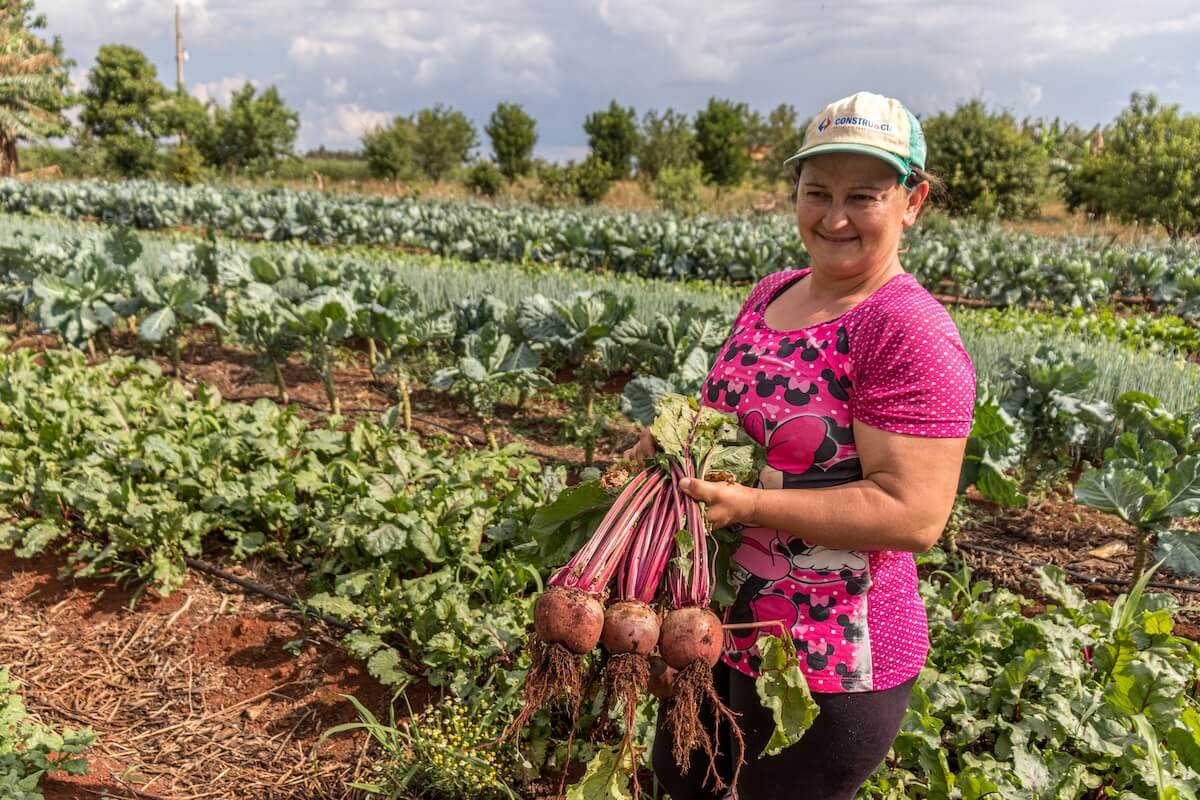
Photo: Diangela Menegazzi
Agroecology is a movement, a practice, a science, and spirituality. It promotes healthy food systems, well-being, and the fight against hunger, while defending people’s rights, ways of life, knowledge, and territories. Agroecology is about caring for nature and nourish the world in a fair and sustainable way.
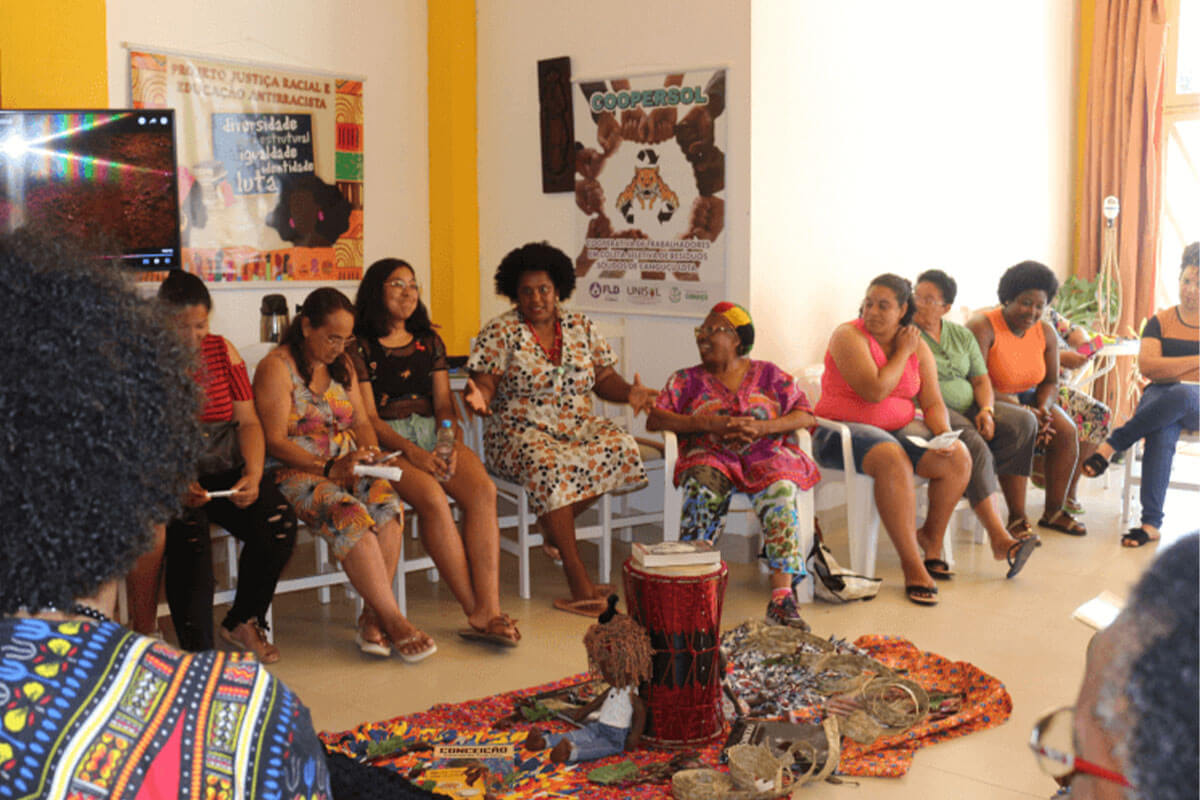
Photo: Michele Barcelos Corrêa
Culture encompasses the customs, traditions, values, beliefs, and forms of social and political organization that shape how people live and relate to their ancestry and the world around them. It is expressed through how communities preserve, transmit, and experience their identities and the diverse ways of being and belonging in each territory.
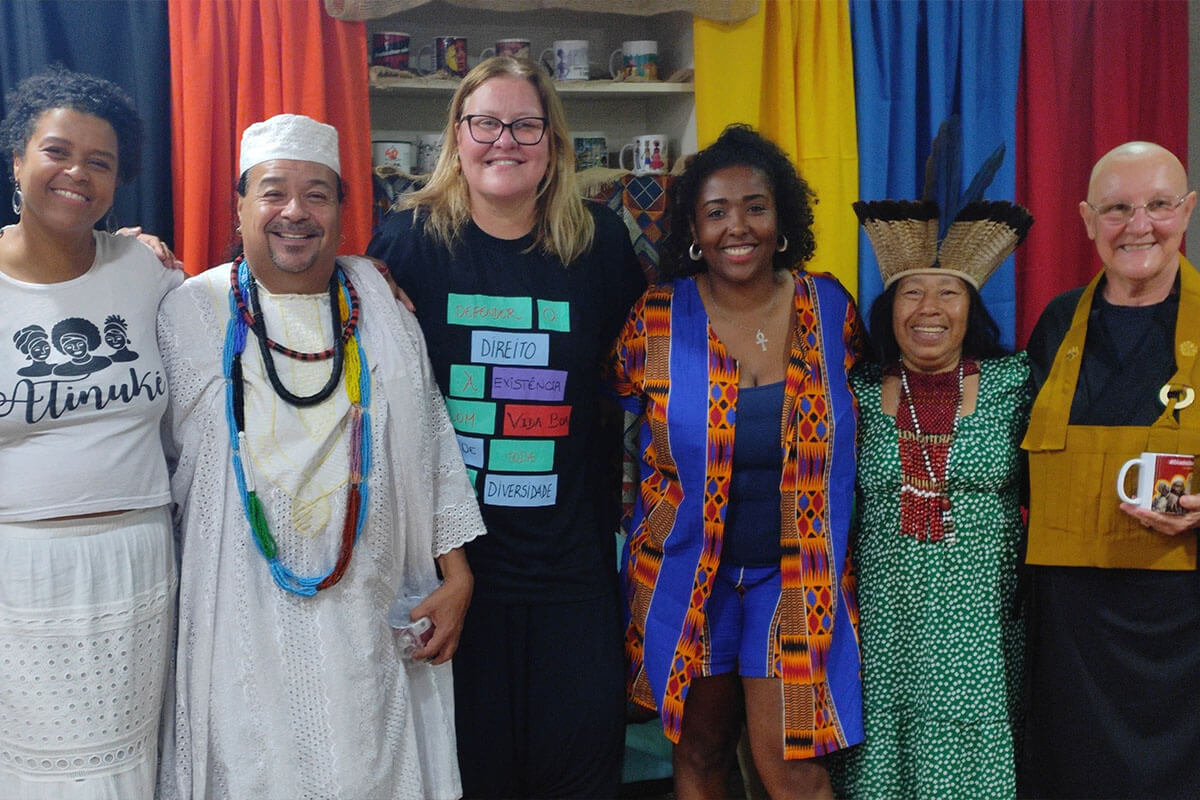
Photo: Débora Giese
Human rights promote dignity and a good life for all people. They involve the defense, monitoring, and advancement of rights, particularly for communities and territories affected by violence and rights violations.
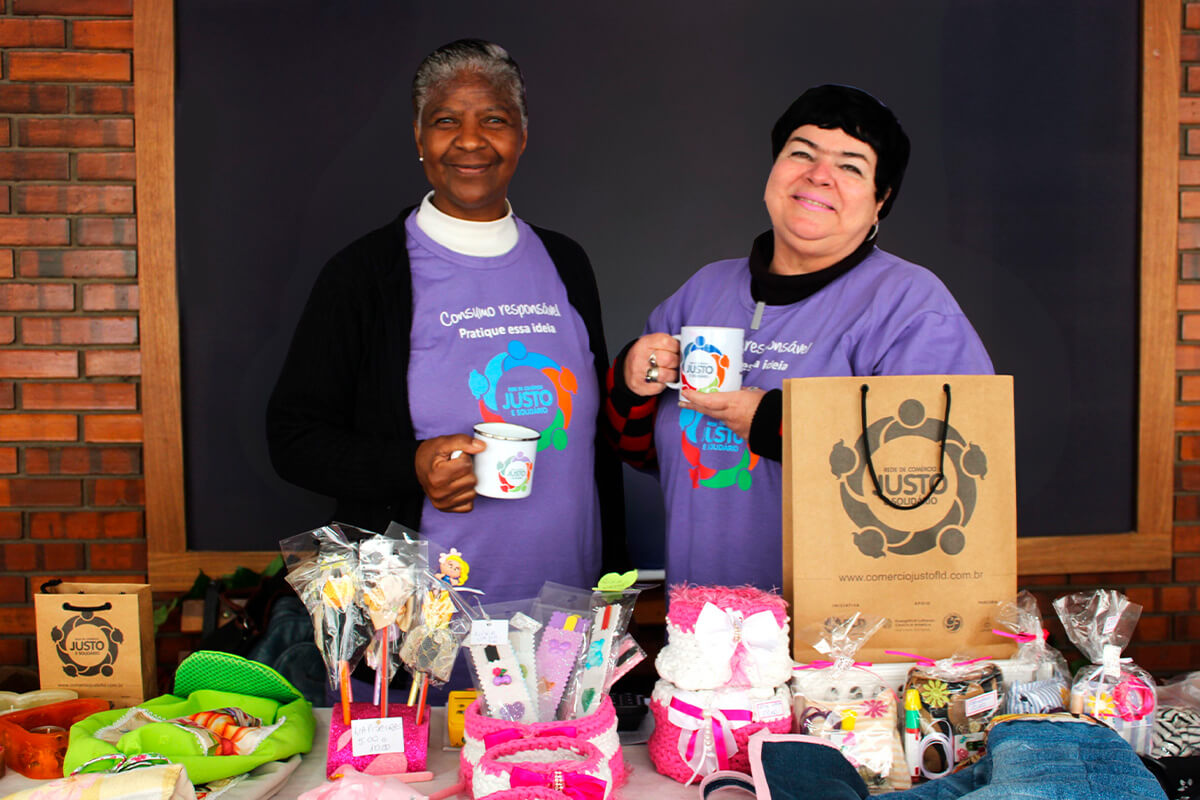
Photo: Daniela Silva Huberty
The solidarity economy encompasses the production, commercialization, and consumption of goods and services with social inclusion, decent work, fair income, and respect for the environmental. People work together and practice self-management, fostering sustainable local development and strengthening communities.
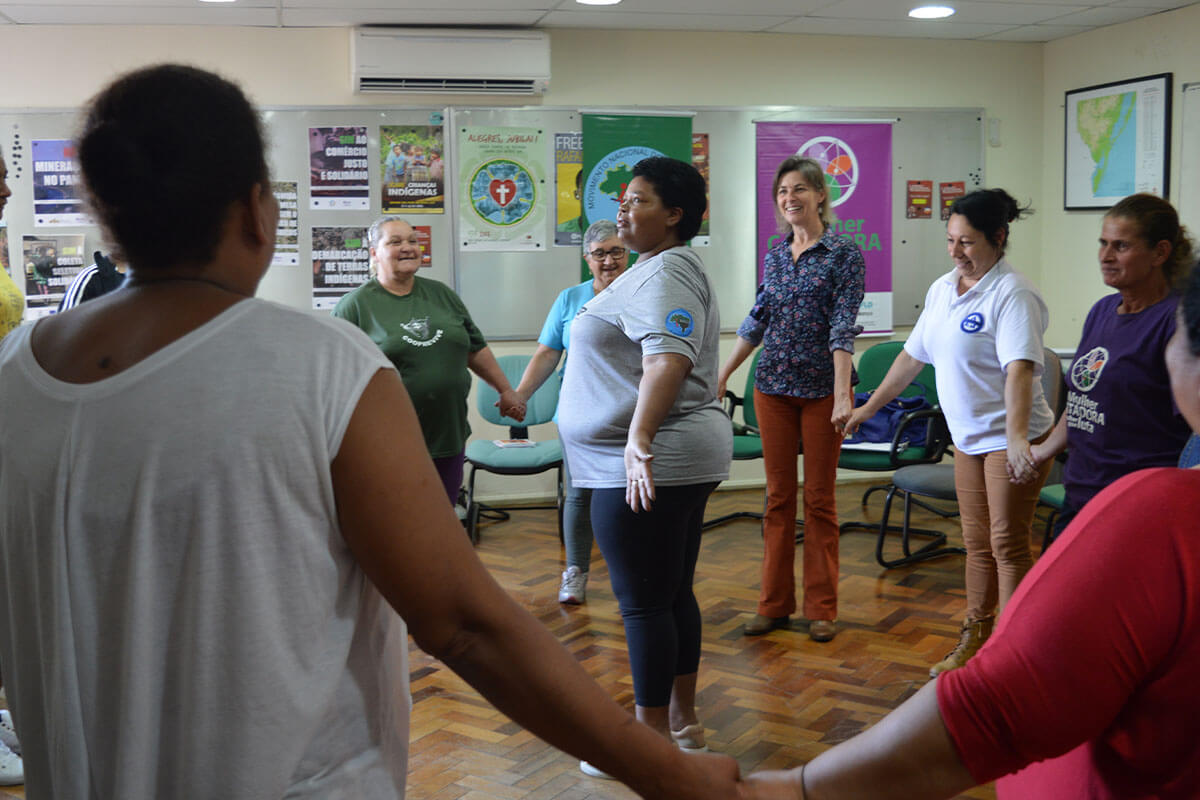
Photo: Thaís Kühnrich
Gender and ethnic-racial justice promote equitable relationships between people and address the root causes that create and perpetuate racism and gender-based violence in society. It seeks to transform behaviors and social spaces into diverse and welcoming environments where all people are respected and valued in their identities.
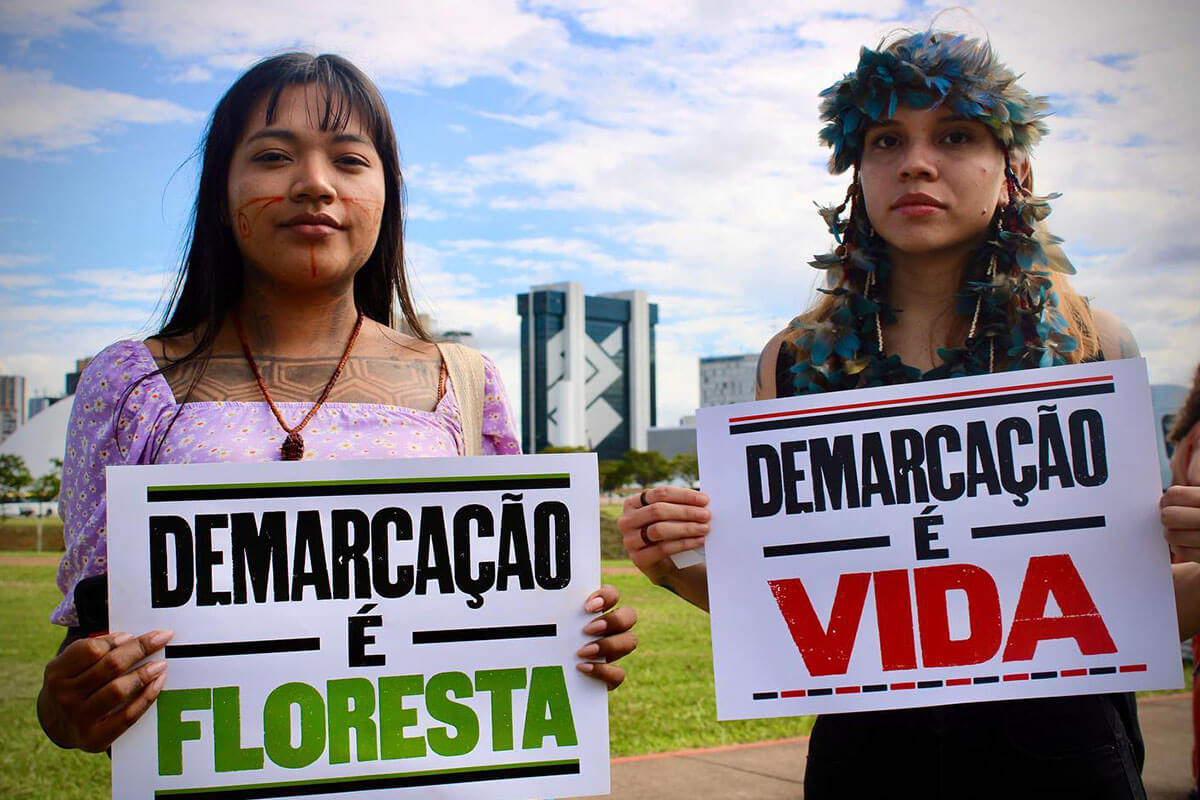
Photo: Daniela Silva Huberty

Land and territories are spaces where life is created, sustained, and nurtured. They are places where peoples and communities cultivate their ways of being, living, and belonging. They possess history, are sacred and irreplaceable. They strengthen and preserve ancestral knowledge, practices, and ways of life in all their diversity.