
Explore the key indicators that reflect the results of our work.
366
families with organic certification
106
families in agroecological transition toward organic certification

37
community gardens established

448
agroecological home gardens established
+ 6,000
families producing agroecological food
Data collected since 2022. Last updated: December 2024.
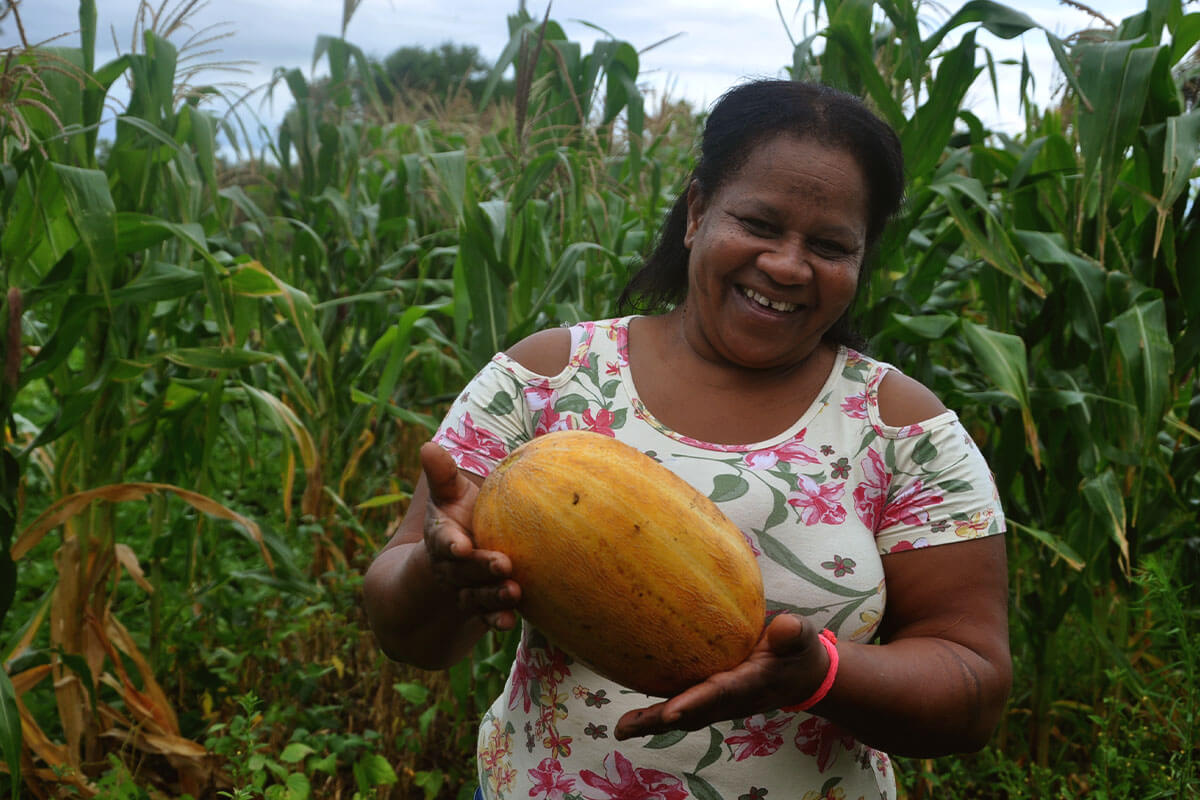
Photo: Rocheli Wachholz
“The support we received has made a tremendous difference in our lives. Being helped to produce our own food and improve our livelihoods has been truly transformative. I am a very different woman from the one I was five years ago, when I spent my days only washing clothes, cooking, and taking care of the household. Today, I can go wherever I need to, handle matters for our community association, travel, and make a difference for myself, my family, and the people of the Madeira Community.”
Marta Madeira, Kilombola Community – Jaguarão, Rio Grande do Sul, Brazil

60
legal processes supporting Indigenous territorial rights

72
Indigenous communities assisted

948
Indigenous women engaged in rights advocacy and defense

18
Indigenous organizations supported
Data collected since 2022. Last updated: December 2024.
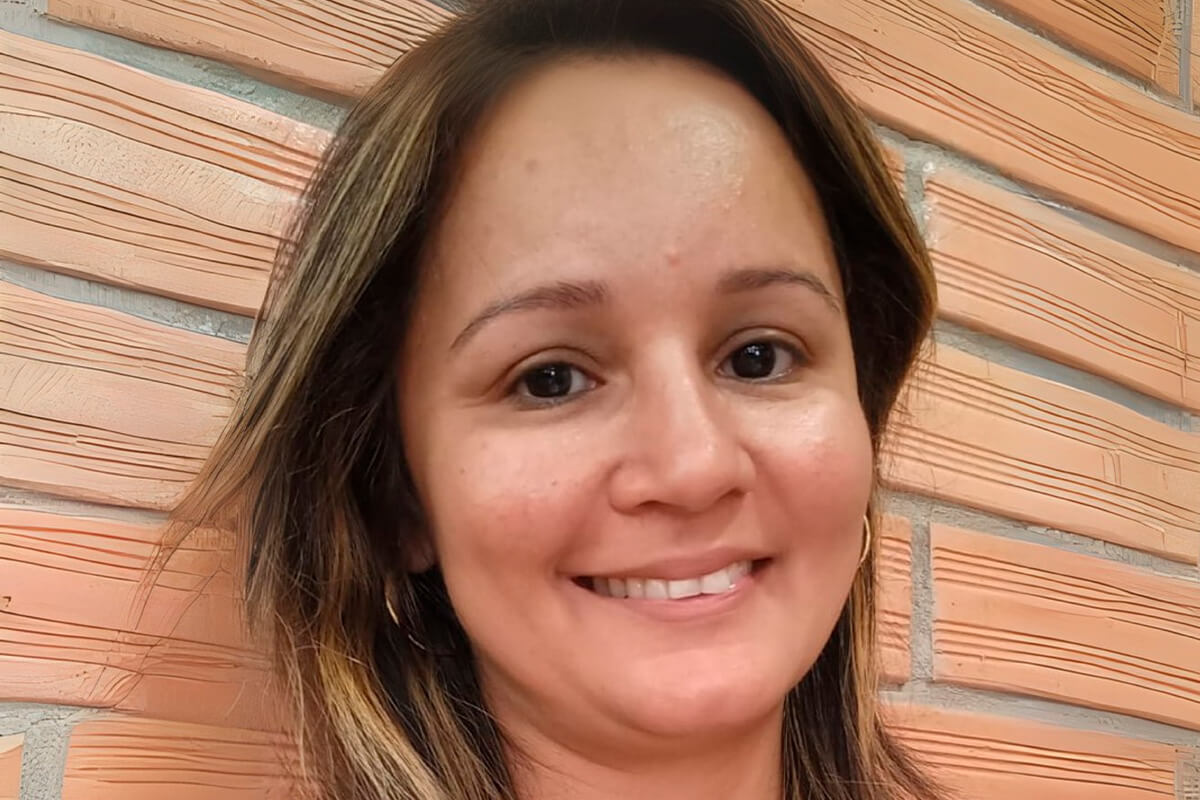
Photo: Personal Archive
“FLD and the Program COMIN have been invaluable partners for OPIAJ in building pathways, solutions, and strategies, especially with Indigenous women and youth. In recent years, we have witnessed how these groups have become increasingly organized and aware of their role and contribution in shaping the world around them. This progress is the result of a partnership that has strengthened the visibility of women and young people, while also reinforcing OPIAJ’s representation and voice.”
Chris Apurinã, Organization of the Apurinã and Jamamadi Indigenous Peoples (OPIAJ) – Amazonas, Brazil

3.100
educators trained in anti-racist education

28
municipalities with public schools receiving support

76
anti-racist education workshops conducted
Last updated: August 2025.
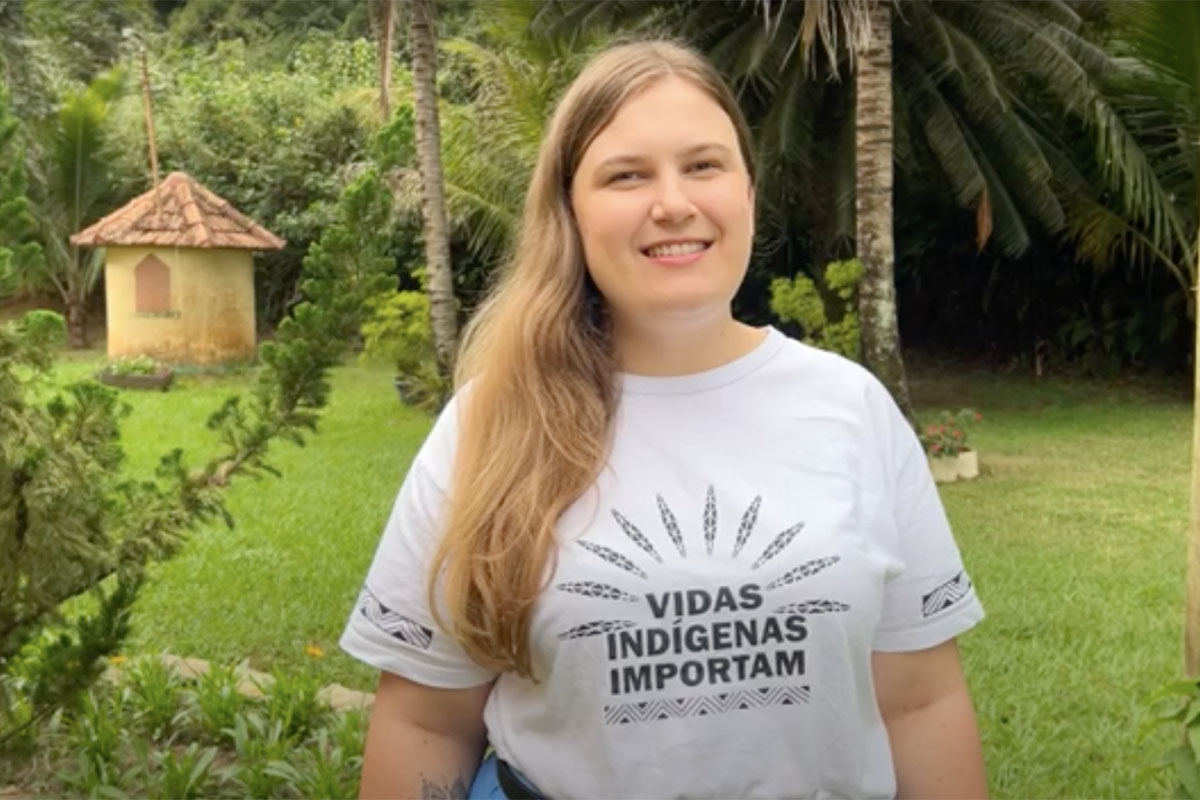
Photo: ADL Archive
“The materials we received have been invaluable for developing activities and discussion circles with the children and adolescents served by ADL. They help us address important topics and challenge prejudices and stereotypes that are often directed at traditional peoples and communities, highlighting the richness of their cultures and the diversity of their contributions to society. Through these resources, we are able to foster more inclusive dialogue and reinforce the importance of valuing traditional communities.”
Willa Buecker, Social Educator, Lutheran Diaconal Association (ADL) – Serra Pelada, Espírito Santo, Brazil

1.631
projects supported

484.910
people reached

382
municipalities with supported projects

R$ 24.086.128,40
invested in community-led projects
Data collected since 2000. Last updated: April 2025.
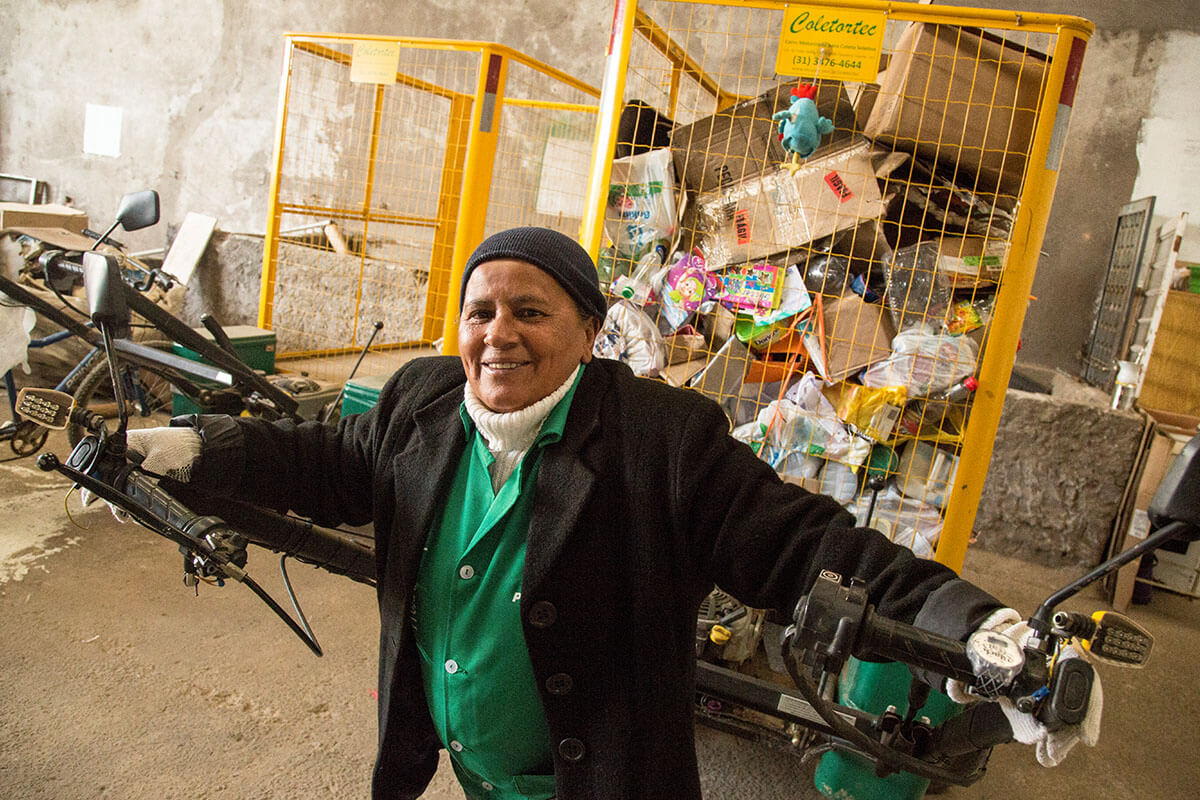
Photo: Cristiano Sant’Anna
“For 30 years, I lived and worked at a dumpsite, feeling powerless because I didn’t know how to help the people around me, even though I dreamed of a more just and transformative world. I didn’t want my grandchildren to go through the same degrading reality that my children had experienced. Through years of struggle and with the support of FLD’s Program of Small Projects, ACLAN grew stronger as a cooperative. We transformed our reality, secured a more dignified workspace, improved opportunities for everyone, saw young people continue their studies, and witnessed women gaining greater happiness, confidence, and hope for the future.”
Maria Tugira Cardoso, Association of Waste Pickers Friends of Nature (ACLAN) – Uruguaiana, Rio Grande do Sul, Brazil
Leader within the National Movement of Waste Pickers (MNCR)

+ 5,000
participants in training workshops
+ 106
municipalities have hosted the house exhibition

+ 120
exhibitions held

+ 20,000
visitors to the house exhibition

200
partner organizations involved in implementing the methodology
Data collected since 2007. Last updated: May 2025.
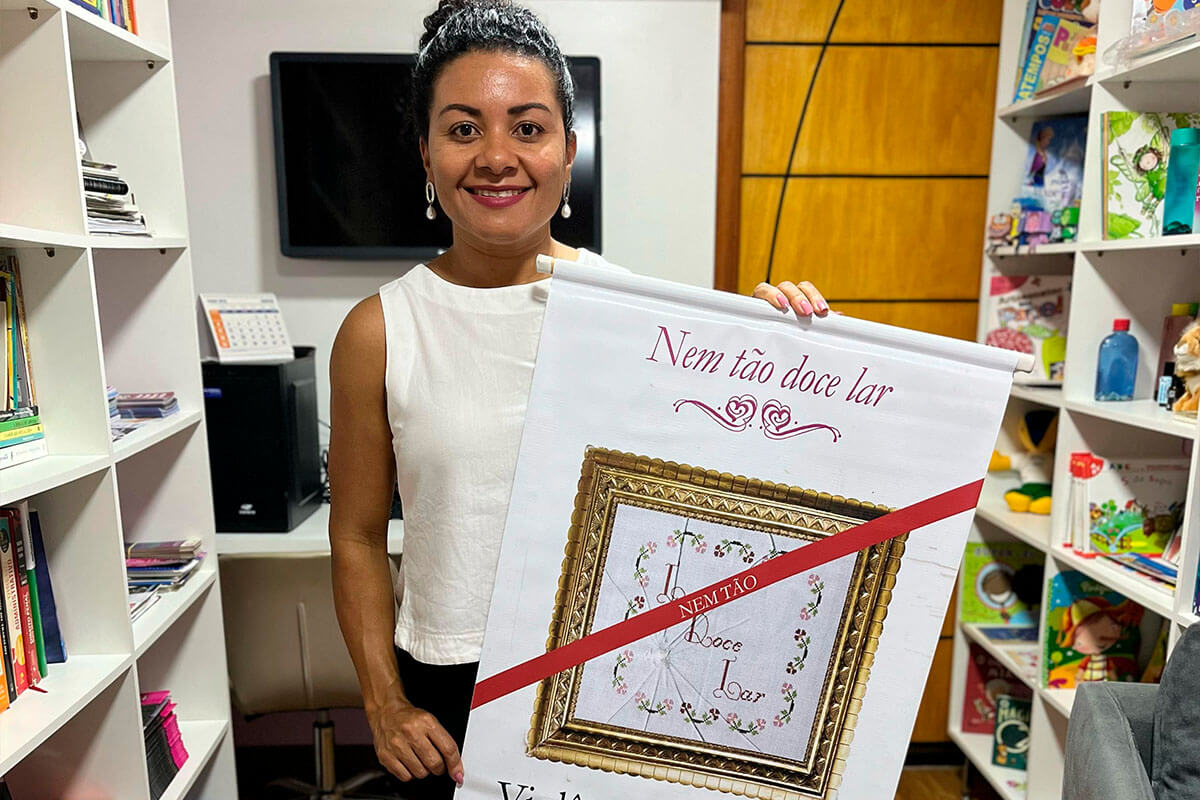
Photo: Personal Archive
“I would like to emphasize the value of the Not So Sweet Home methodology in strengthening the capacities of professionals within networks that respond to domestic violence. Its impact lies in increasing awareness among those who work directly with vulnerable populations, especially women and children, enabling a new perspective on cases and a deeper understanding of the complexity of violence in people’s lives. We also received many messages through our social media channels from students expressing gratitude and sharing that they had never participated in an experience like this before.”
Elineide Ferreira Oliveira, Social Worker, Casa Noeli dos Santos – Ariquemes, Rondônia, Brazil