
Our humanitarian work goes beyond immediate emergency response. We understand that solidarity must also include recovery, resilience-building, and preparedness for future crises, enabling communities to strengthen their capacities and plan for the challenges ahead. In times of crisis, we mobilize resources and coordinate partnerships to provide emergency assistance, including food, safe drinking water, and community-based psychosocial support. We prioritize working through and strengthening local organizations and community networks, ensuring that responses are coordinated, locally driven, and adapted to the specific realities of each territory.
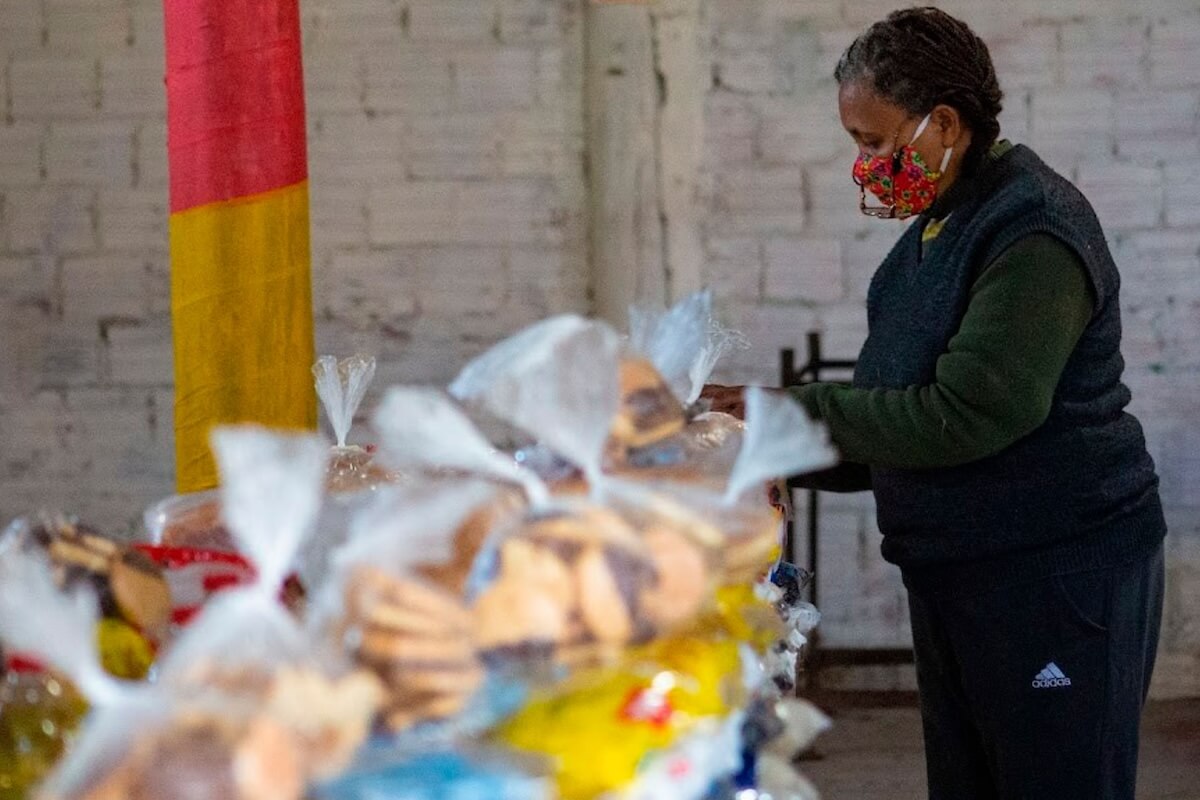
Photo: Renato C Silveira
FLD has been a member of ACT Alliance since 2010, a global coalition of churches and faith-based organizations active in more than 120 countries. Together, we advance social justice, transformative development, human rights advocacy, and humanitarian action, with a focus on climate justice, gender justice, migration, peace, and security. As part of this global network, we uphold ACT Alliance’s commitments to timely and effective emergency response, the protection of human rights and human dignity, transparent resource management, and the meaningful participation of affected communities in shaping humanitarian actions and recovery efforts.
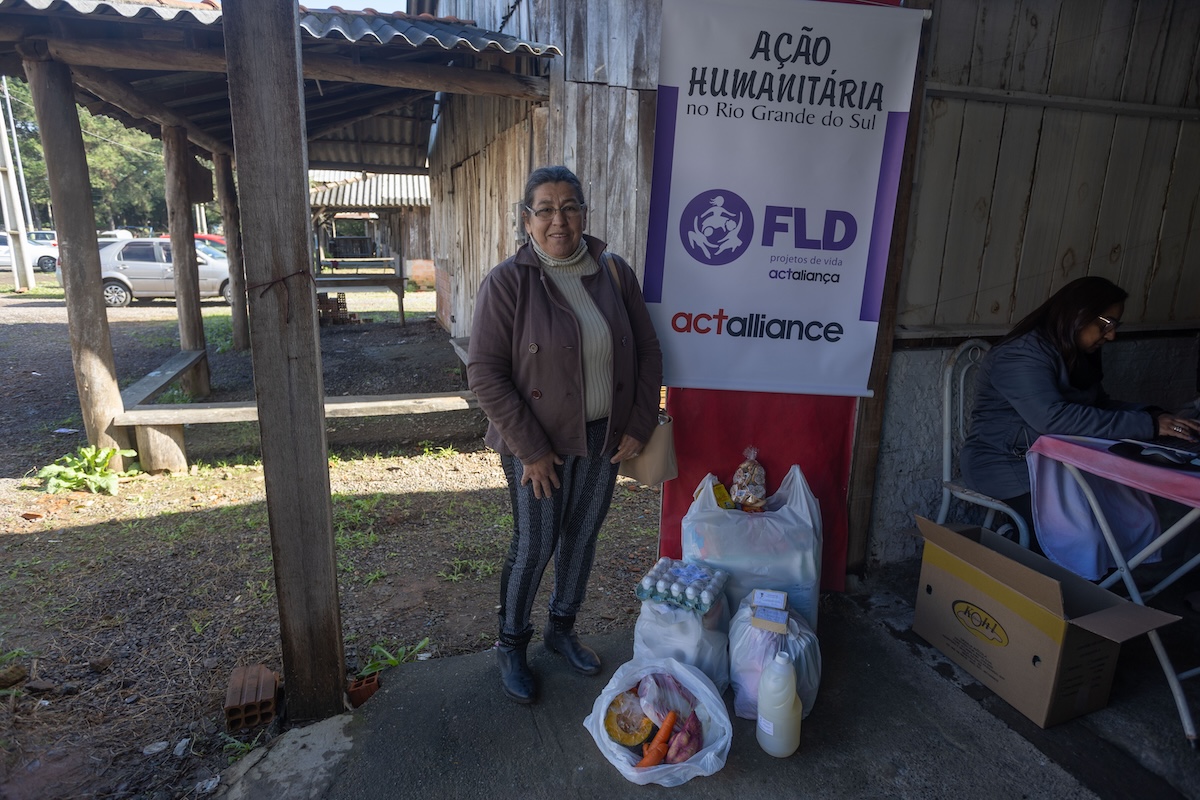
Photo: Renato C Silveira
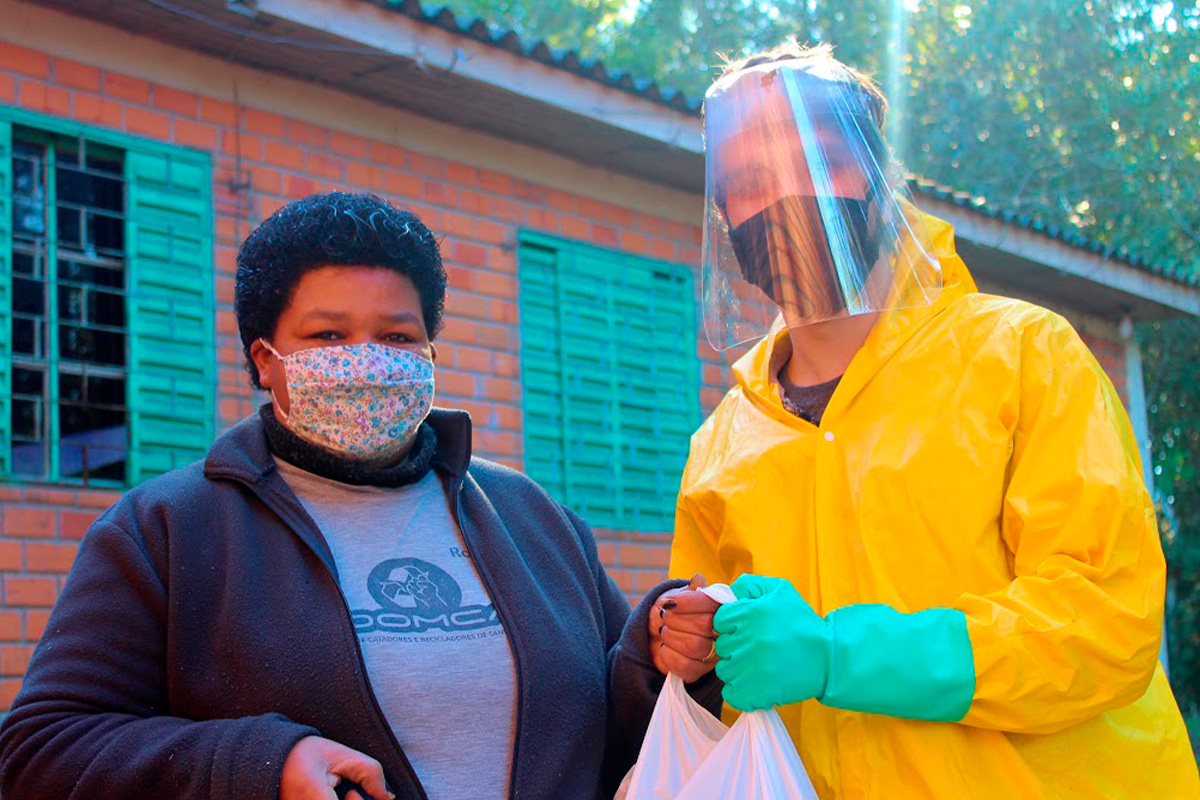
Photo: Coletivo Palavra Delas
Our work in emergency situations extends beyond immediate relief. We are committed to mitigate the impacts of extreme events and develop sustainable initiatives for the future. This includes promoting agroecological practices to strengthen food security after disasters, supporting the construction of resilient infrastructure, and building the capacity of community leaders to manage risks and prepare for future crises. Climate-related and social crises often have a disproportionate impact on historically marginalized groups, including Indigenous peoples, Kilombola communities, and families living in poverty. For this reason, our humanitarian action is grounded in social justice and the promotion of rights at every stage of the response and recovery process.
The Santa Cruz do Sul Waste Pickers and Recyclers Cooperative (COOMCAT) is the primary source of income for 52 families. The cooperative was severely affected by the COVID-19 pandemic and by the sharp decline in prices paid for recyclable materials. As an immediate response, we mobilized food basket distributions to support cooperative members during a particularly challenging period. At the same time, we continued supporting COOMCAT through training initiatives to strengthen cooperative management, workshops on the full use of food, and public advocacy actions. To further enhance food security for member families, a community garden was established at the cooperative’s headquarters. There, COOMCAT workers cultivate the land to grow and share healthy, agroecological food—an important step toward strengthening food security and community resilience in times of crisis.
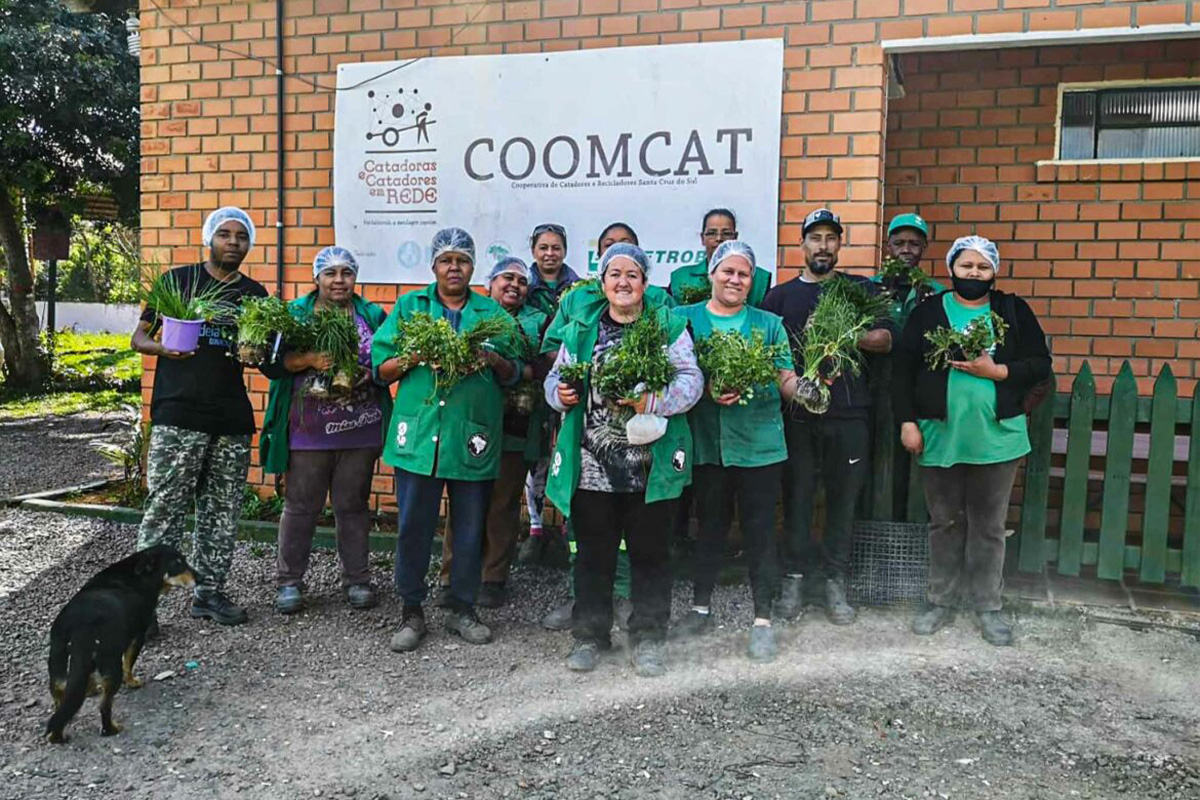
Photo: Grasiela Michels