

Fabiana Santos da Silveira, Full Member
Fernanda Maria Müller, Full Member
Terezinha de Jesus Pimenta, Full Member
Fábio Rogério Tesche, Alternate Member
Júlio César Pedó, Alternate Member
Leonardo Vasconcelos Cavalier Darbilly, Alternate Member
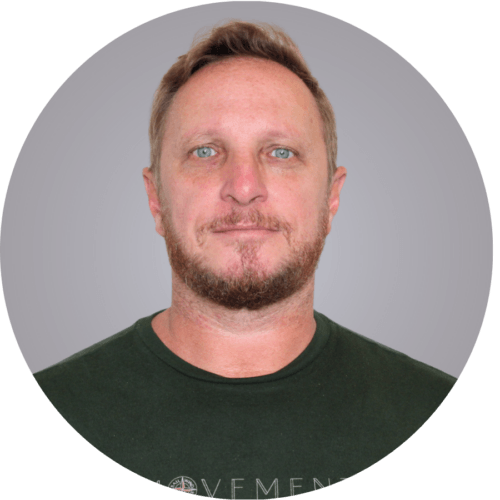
Stefan Ruy Krambeck
PresidentTheologian and pastor at the Vila Velha Parish, Espírito Santo, Brazil. Vice-Secretary of the Synodal Council of the Espírito Santo a Belém Synod.
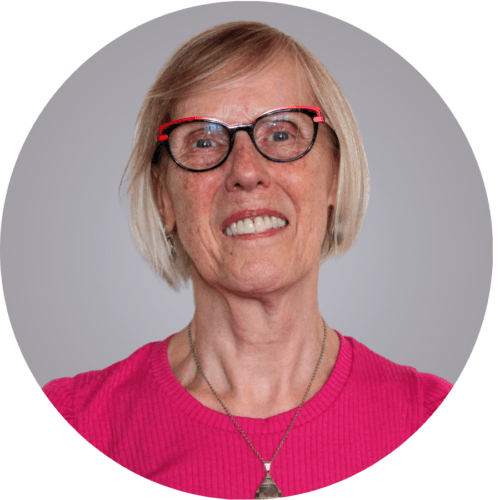
Dirci Bubantz
Vice PresidentTheologian and Chair of the Board of the Martim Lutero Charitable Institution (IBML), Southeast Synod.
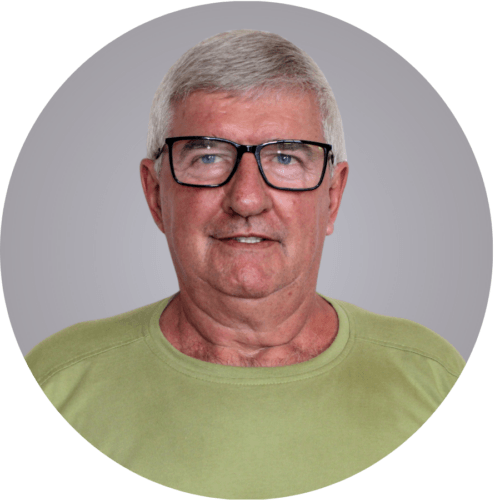
Élio Scheffer
SecretaryPastor Emeritus and subsistence agroecological farmer committed to shared and community-based practices, Center South Campaign Synod.
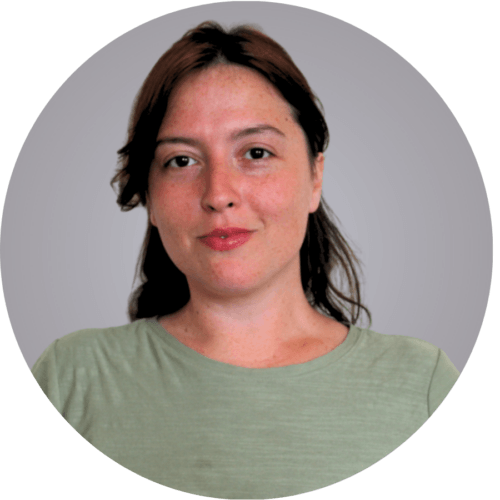
Laleska Viegas Cantarelli
Vice SecretaryMaster’s degree in Education and Technology, specialist in Art Education, and Visual Arts undergraduate student, South Rio-Grandense Synod.
Iloiva Schmitt
TreasurerAccounting technician with a degree in Financial Management, Treasurer of the Northeast Gaucho Synod.
Ademar Gaedke
Vice TreasurerSocial worker with a postgraduate degree in Public Social Assistance System Management. Works as a social worker in Navegantes, Santa Catarina, Brazil, and serves as an alternate member of the Synodal Council of the Vale do Itajaí Synod.
Altemir Labes
PresidentTheologian and General Director of the Evangelical Charitable Association of Floresta Imperial (ABEFI), Rio dos Sinos Synod.
Cristiane Echelmeier
Vice PresidentPastor at the Teutônia Parish, Rio Grande do Sul, Brazil, and trauma consultant in training in Integrative Community Therapy, Vale do Taquari Synod.
Amazon Synod
Joelma Alberto, Full Member
Célia Regina Amaral, Alternate Member
Central Brazil Synod
Jacson Timm, Full Member
Rev. Marcos Antônio Rodrigues, Alternate Member
Center South Campaign Synod
Rev. Emeritus Élio Scheffler, Full Member
Rev. Clautério Ilson Kegler, Alternate Member
South Central Santa Catarina Synod
Lilian Grosskopf Patzlaff, Full Member
Marceli Errath Westphal, Alternate Member
Espírito Santo a Belém Synod
Rev. Stefan Ruy Krambeck, Full Member
Rev. Alexander Roberto Busch, Alternate Member
Northeast Gaucho Synod
Iloiva Schmitt, Full Member
Ursula Loth, Alternate Member
Northwest Rio-Grandense Synod
Tânia Beatriz Georgi, Full Member
Ligiane Taiza Muller Fernandes, Alternate Member
North Santa Catarina Synod
Marise Engel Sacht, Full Member
Elisabeth Wackerhage Gaedke, Alternate Member
Paranapanema Synod
Rubem Almeida Mariano, Full Member
Alex Henrique Macedo, Alternate Member
Rio-Grandense Plateau Synod
Timóteo Joel Klesener, Full Member
Leonardo Daniel Steinhorst Siqueira, Alternate Member
Rio dos Sinos Synod
Altemir Labes, Full Member
Paulo Roberto Nunes, Alternate Member
Rio Paraná Synod
Idulce Ahlert, Full Member
Rev. Mariza Eckhardt Neuberger, Alternate Member
Southeast Synod
Dirci Bubantz, Full Member
Bianca Mueller Costa Cokeli, Alternate Member
South Rio-Grandense Synod
Laleska Viegas Cantarelli Vieira, Full Member
Islair Radtke, Alternate Member
Uruguay Synod
Joel Francisco Decothé Júnior, Full Member
Vale do Itajaí Synod
Ademar Gaedke, Full Member
Rubens Eduardo Schlindwein Liesenberg, Alternate Member
Vale do Taquari Synod
Cristiane Ines Echelmeier, Full Member
Plentz Wolter, Alternate Member
Ex Officio Members
Simone Engel Voigt
IECLB Diakonia Coordination
Marcos Bechert
IECLB General Secretariat
Adelino Sasse
Church Council
The Deliberative Council is FLD’s highest governing body. It is composed of 18 representatives, each appointed by one of the synods of the Evangelical Church of the Lutheran Confession in Brazil (IECLB), in addition to three ex officio members. The Council is responsible for ensuring the fulfillment of FLD’s institutional purpose, as established in Article 2 of its Statute: to promote transformative development through the support and accompaniment of projects led by organized civil society groups, as well as through the implementation of social assistance services, projects, and programs in the fields of Indigenous rights, agroecology, and family farming.