

The Program CAPA of Agroecology provides technical assistance and support to farming and peasant families, Indigenous, Kilombola*, and traditional communities, as well as solidarity economy organizations and enterprises in the production, processing, and commercialization of agroecological food, promoting food security, social organization, and access to public policies in nearly 100 municipalities across southern Brazil.
The program promotes a good life through the production of healthy, poison-free food in household and community gardens, fields, orchards, and agroforestry systems, while strengthening access to local fairs and institutional markets, especially public schools.
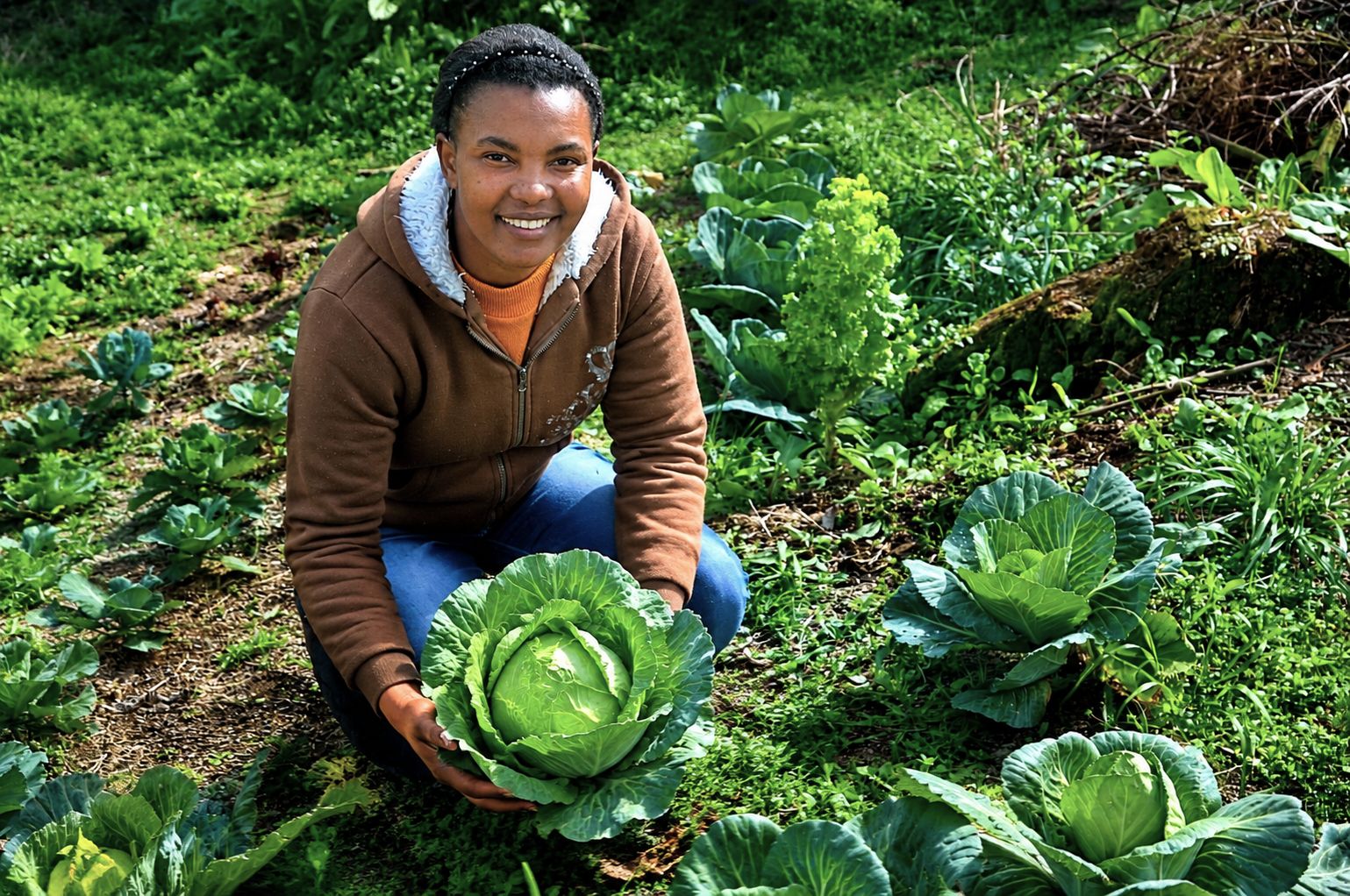
Photo: Rocheli Wachholz
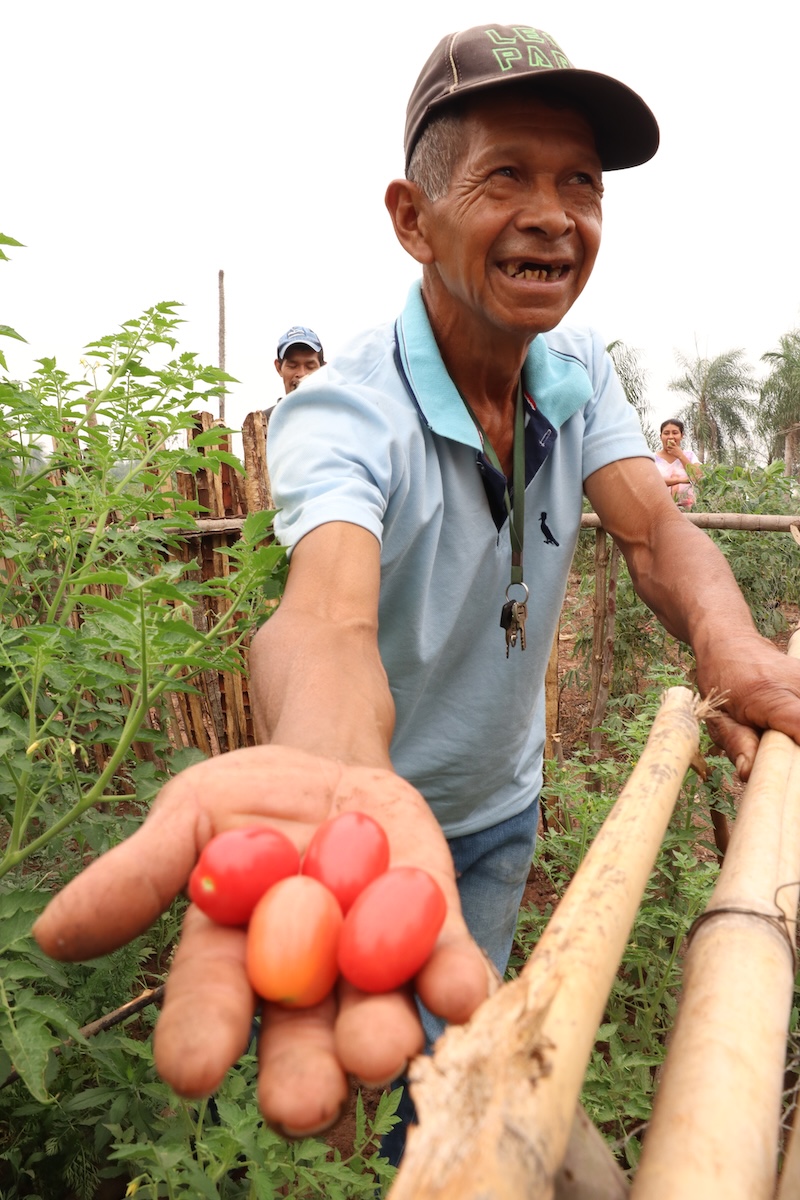
Photo: Fabio Conterno
- Support agroecological food production as a strategy to address food and nutrition insecurity while generating sustainable income for communities
- Promote access to agroecological food for people and communities in situations of social vulnerability
- Strengthen sustainable natural resource management practices and the preservation of traditional knowledge
- Foster the leadership and active participation of communities in spaces of organization, production, commercialization, and learning
- Support farming families in agroecological transition processes and participatory organic certification, expanding their autonomy and resilience
- Engage in advocacy and policy spaces that advance agroecology
- To increase the leading role of women and young people in gender and ethnic-racial justice and in overcoming all forms of violence and discrimination
- Establishment and ongoing support of family production units, community gardens, agroecological home gardens, crop fields, and agroforestry systems
- Technical assistance and accompaniment for families, communities, agro-processing enterprises, and agroecological groups
- Implementation of spring protection systems, cisterns, ecological rural sanitation solutions, water treatment systems, access to safe drinking water, and rainwater harvesting technologies
- Training workshops on vegetable production, fruit cultivation, agro-processing, seeds and grains, homeopathy, animal production, yerba mate cultivation, and democratic management with a focus on gender and ethnic-racial justice
- Support for and participation in advocacy spaces at the municipal, state, regional, and national levels, strengthening leadership engagement in agroecology-related public policy processes
- Production and dissemination of publications and materials that document and share agroecological experiences and knowledge
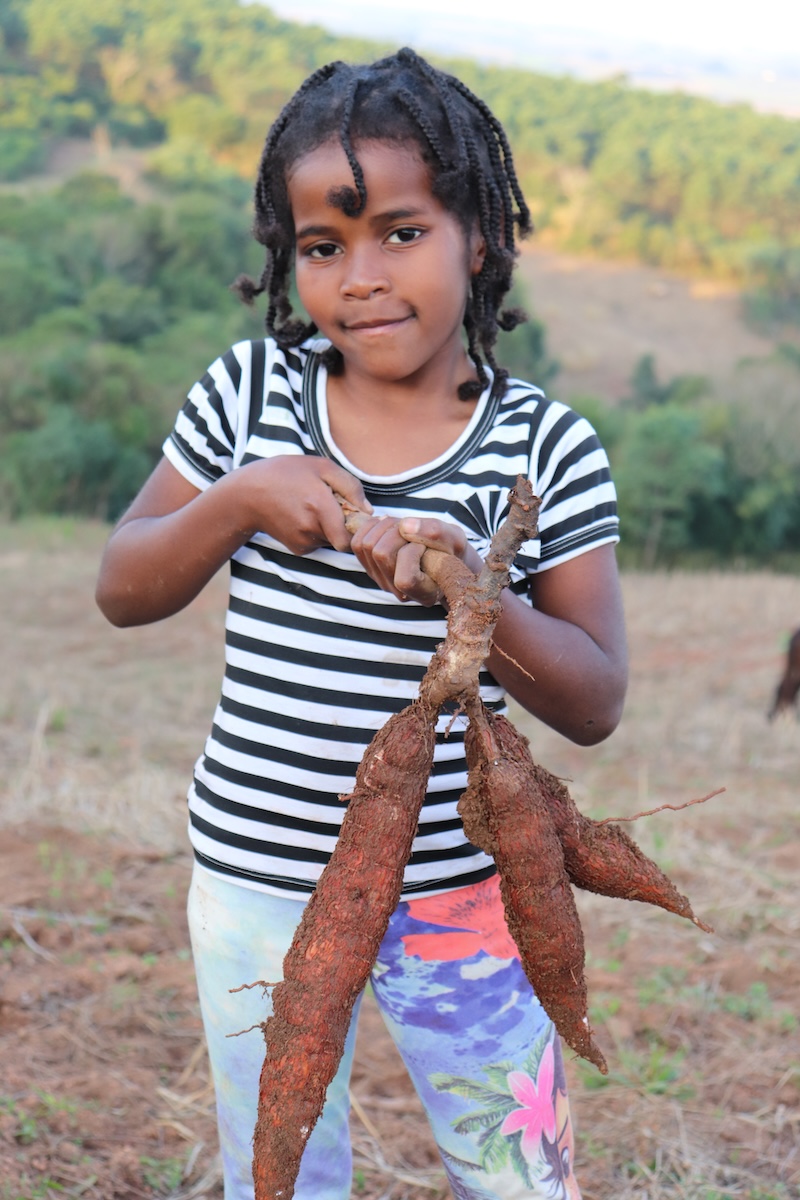
Photo: Rocheli Wachholz
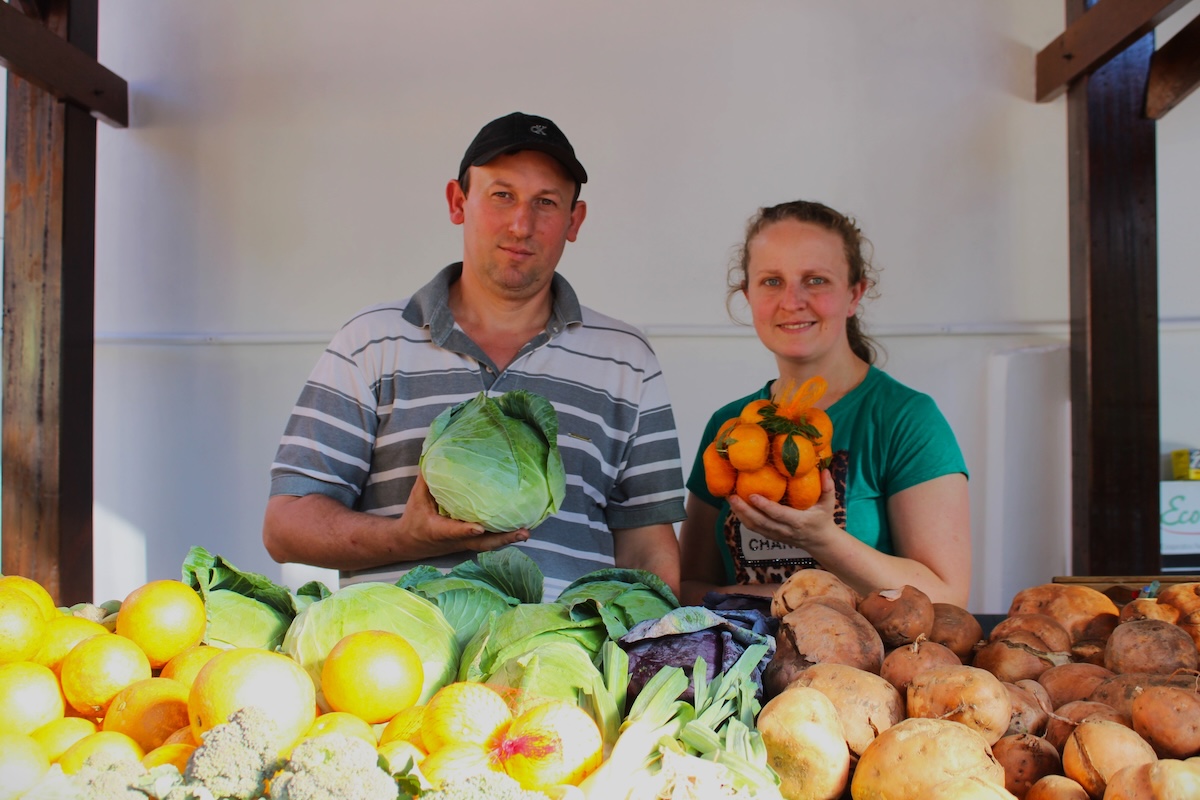
Photo: Daniela Silva Huberty
- Indigenous, Kilombola, and traditional communities
- Farming and peasant families
- Urban grassroots groups, including women’s and youth groups
- Solidarity economy enterprises, cooperatives, associations, and trade unions

366
families with organic certification

106
families in agroecological transition toward organic certification

37
community gardens established

448
agroecological home gardens established

+ 6,000
families producing agroecological food