

Not So Sweet Home is an interactive traveling house exhibition that seeks to bring visibility and popularize the debate on domestic and family violence, advocate for effective public policies, building and reinforcing protection and support networks, involving public services, social movements, civil society organizations, and faith communities, empowering groups, and contributing to the prevention and overcoming of violence. The name is inspired by the expression “Home Sweet Home,” a phrase commonly displayed in Brazilian households.

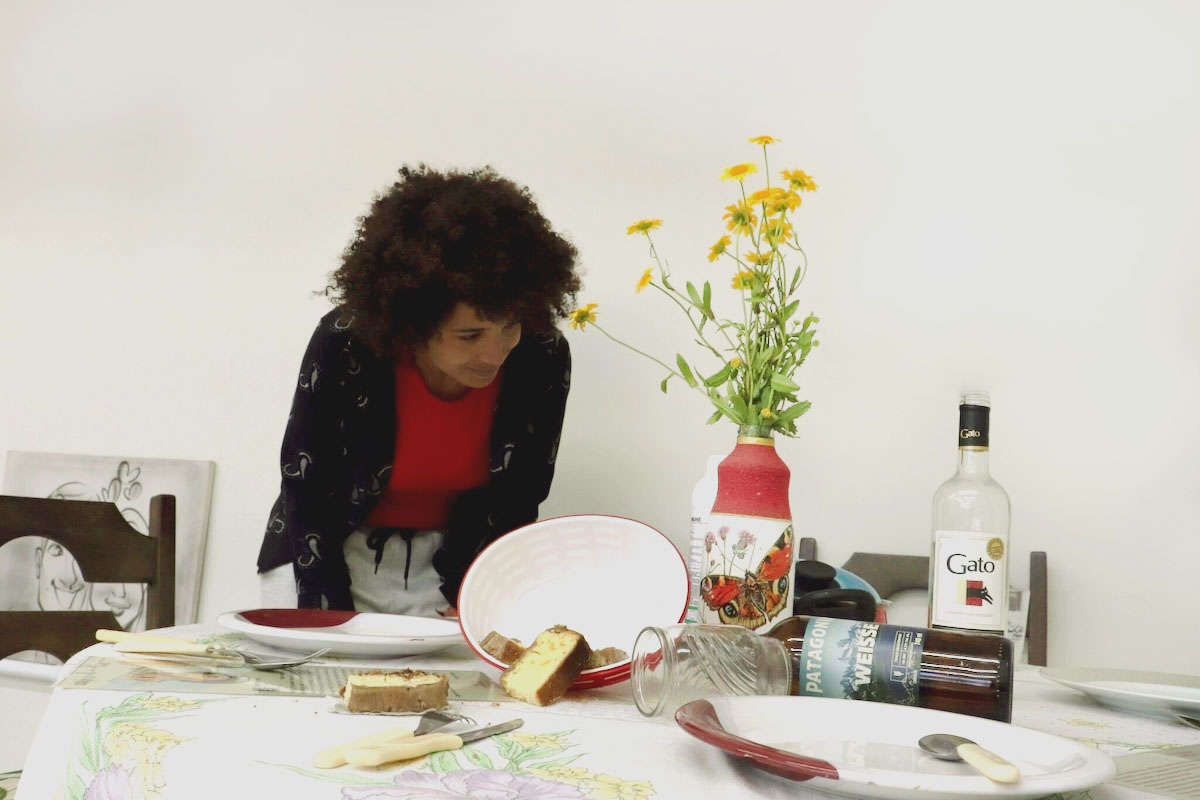
Photo: Rocheli Wachholz
The exhibition consists of a house installation with rooms that recreate a domestic environment, presenting signs and evidence of domestic and family violence against women, children, adolescents, elderly people, people with disabilities, and LGBTQIAPN+ population. Its methodology is designed to be adapted to regional and cultural contexts. The initiative also includes training workshops for local protection and support networks, as well as for facilitators who welcome visitors at the exhibition.
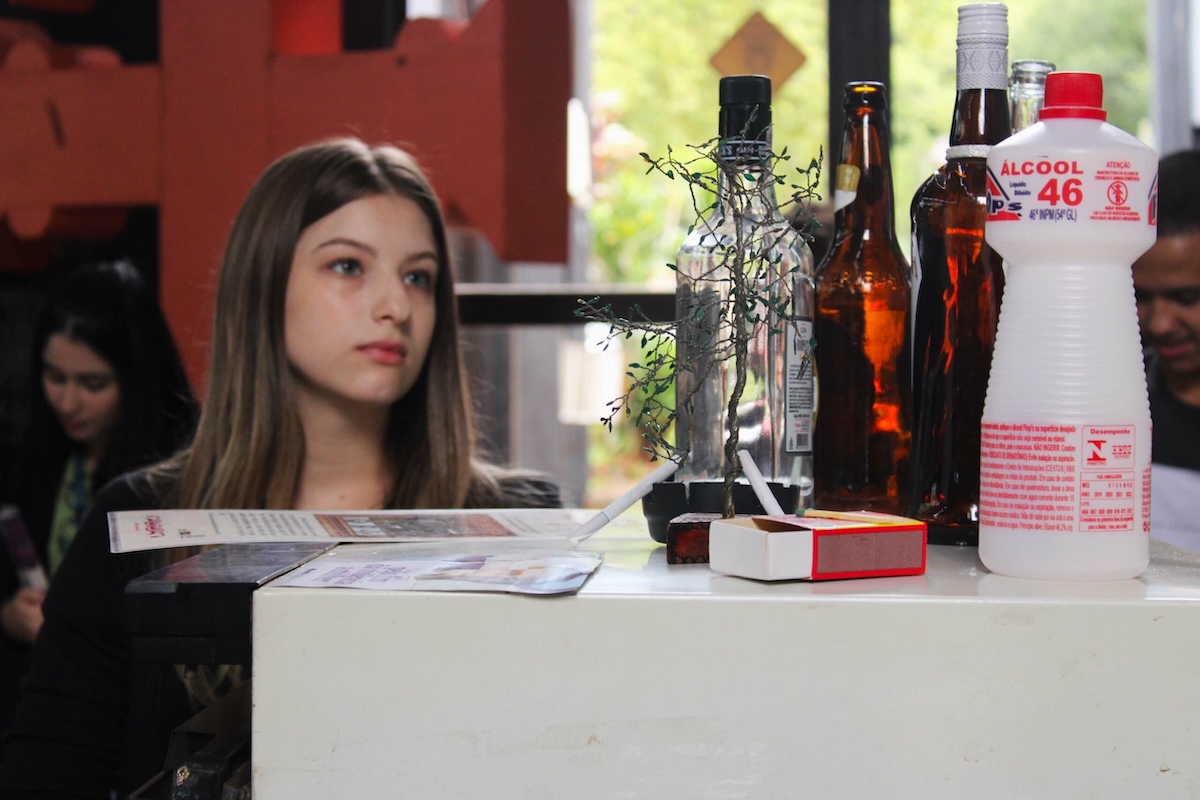
Photo: Daniela Silva Huberty
The exhibition was first launched in February 2006, the same year Brazil enacted the Maria da Penha Law (Law No. 11,340), one of the country’s landmark pieces of legislation addressing violence against women. It was inspired by the German exhibition Rose Street, created by German anthropologist Uma Hombrecher with support from Bread for the World. FLD and partner organizations immersed themselves in the methodology and, through an extensive collective process, adapted the exhibition to the Brazilian context.
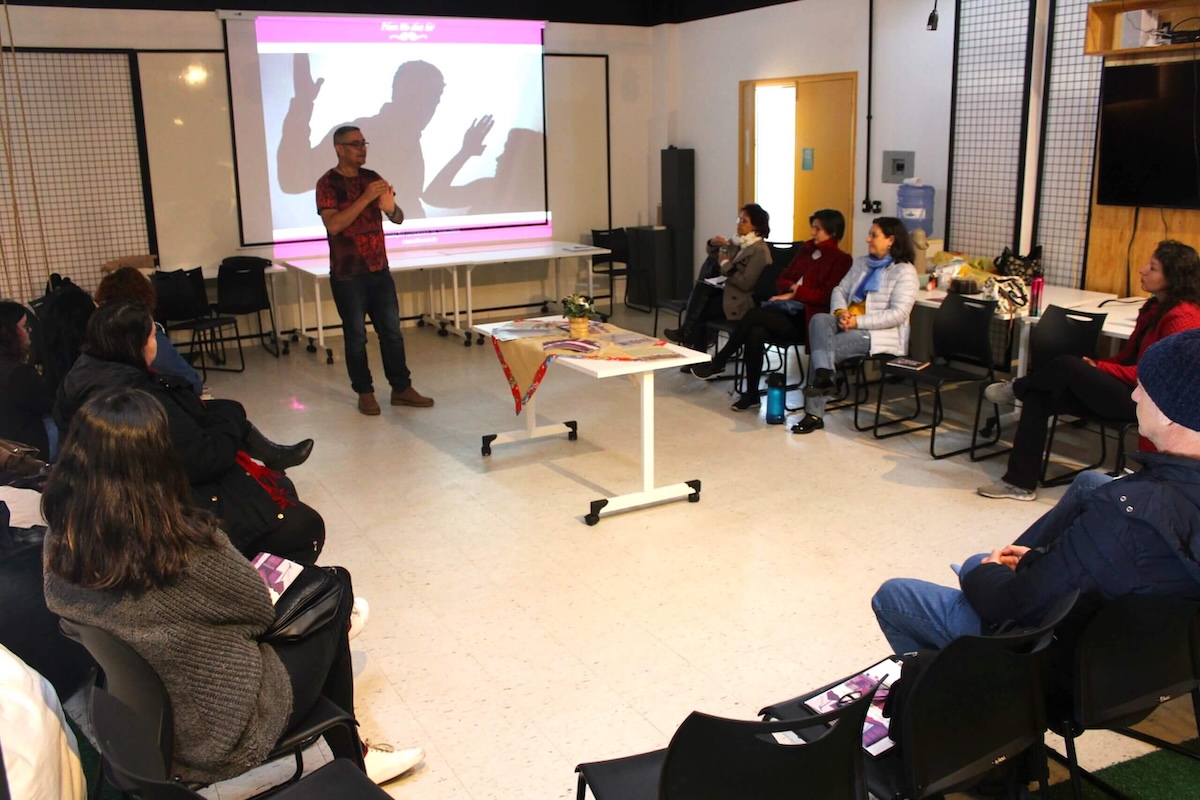
Photo: Daniela Silva Huberty
The methodology is guided by FLD’s Gender Justice Policy, the organization’s institutional framework for addressing gender-based and religious violence, which includes the latter in addition to the five classifications provided for in the legislation. It also prioritizes discussions on transformative masculinities, highlighting the importance of engaging men in organized reflection and action, and addresses domestic violence as a factor that increases vulnerability to HIV infection, a key contributor to the feminization of the AIDS epidemic in Brazil.

+ 5,000
participants in training workshops

+ 106
municipalities have hosted the house exhibition

+ 120
exhibitions held

+ 20,000
visitors to the house exhibition

200
partner organizations involved in implementing the methodology